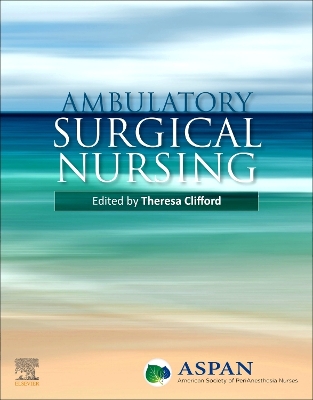
Ambulatory Surgical Nursing
 -10%
portes grátis
-10%
portes grátis
Ambulatory Surgical Nursing
ASPAN
Elsevier - Health Sciences Division
03/2024
608
Mole
Inglês
9780323681445
15 a 20 dias
Descrição não disponível.
1. The History of Ambulatory Surgery and the Nurse's Role
PART I Management and Leadership in Ambulatory Surgery
2. Leadership in Ambulatory Surgery
3. Perianesthesia Nursing Standards
4. Clinical Inquiry: Quality Improvement and Evidence-Based Practice in Ambulatory Surgery
5. Risk Management and Legal Issues
PART II Safety in the Ambulatory Perianesthesia Setting
6. Safety Standards
7. The Environment of Care
8. Clinical Emergencies and Preparedness in the Ambulatory Setting
PART III Anesthesia and Sedation for Ambulatory Procedures
9. General Anesthesia
10. Local and Regional Anesthesia
11. Procedural Sedation
PART IV Pain Management
12. Principles of Pain Assessment and Multimodal Analgesia
13. Pharmacologic Interventions for Pain Management
14. Nonpharmacologic Interventions for Pain Management
PART V Patient Care: The Continuum
15. Phases of Care: Preoperative Preparation and Optimization of the Ambulatory Surgery Patient
16. Phases of Care: Phase I: Immediate Postoperative Care
17. Phases of Care: Phase II and Extended Care
18. Patient Teaching and Discharge Challenges
19. Enhanced Recovery After Surgery: The Continuum of Care from Diagnosis and Surgery to Recovery
20. Principles of Intraoperative Care
PART VI Patients with Special Needs
21. Diverse Care Considerations in the Perianesthesia Patient
22. Special Needs of Pediatric Patients
23. Special Needs of the Older Patient
24. Caring for the Family
25. Substance Use Disorders
PART VII The Surgical Specialties
26. General Surgical Procedures and Considerations
27. Genitourinary Surgery
28. Gynecologic Surgery
29. Minimally Invasive Surgery, Laser Surgery, and Other Technologies
30. Ophthalmic Surgery
31. Oral and Maxillofacial Surgery
32. Orthopedic and Podiatric Surgery
33. Otorhinolaryngologic and Head and Neck Surgery
34. Cosmetic and Reconstructive Surgery
PART VIII The Ambulatory Surgery Center as a Special Procedures Unit
35. Special Procedures in the Ambulatory Setting
PART I Management and Leadership in Ambulatory Surgery
2. Leadership in Ambulatory Surgery
3. Perianesthesia Nursing Standards
4. Clinical Inquiry: Quality Improvement and Evidence-Based Practice in Ambulatory Surgery
5. Risk Management and Legal Issues
PART II Safety in the Ambulatory Perianesthesia Setting
6. Safety Standards
7. The Environment of Care
8. Clinical Emergencies and Preparedness in the Ambulatory Setting
PART III Anesthesia and Sedation for Ambulatory Procedures
9. General Anesthesia
10. Local and Regional Anesthesia
11. Procedural Sedation
PART IV Pain Management
12. Principles of Pain Assessment and Multimodal Analgesia
13. Pharmacologic Interventions for Pain Management
14. Nonpharmacologic Interventions for Pain Management
PART V Patient Care: The Continuum
15. Phases of Care: Preoperative Preparation and Optimization of the Ambulatory Surgery Patient
16. Phases of Care: Phase I: Immediate Postoperative Care
17. Phases of Care: Phase II and Extended Care
18. Patient Teaching and Discharge Challenges
19. Enhanced Recovery After Surgery: The Continuum of Care from Diagnosis and Surgery to Recovery
20. Principles of Intraoperative Care
PART VI Patients with Special Needs
21. Diverse Care Considerations in the Perianesthesia Patient
22. Special Needs of Pediatric Patients
23. Special Needs of the Older Patient
24. Caring for the Family
25. Substance Use Disorders
PART VII The Surgical Specialties
26. General Surgical Procedures and Considerations
27. Genitourinary Surgery
28. Gynecologic Surgery
29. Minimally Invasive Surgery, Laser Surgery, and Other Technologies
30. Ophthalmic Surgery
31. Oral and Maxillofacial Surgery
32. Orthopedic and Podiatric Surgery
33. Otorhinolaryngologic and Head and Neck Surgery
34. Cosmetic and Reconstructive Surgery
PART VIII The Ambulatory Surgery Center as a Special Procedures Unit
35. Special Procedures in the Ambulatory Setting
Este título pertence ao(s) assunto(s) indicados(s). Para ver outros títulos clique no assunto desejado.
ambulatory surgery; nurse leadership; perioperative standards; evidence-based practice; risk management; safety protocols; anesthesia techniques; pain assessment; patient education; special needs care; surgical specialties; recovery protocols; family-centered care; minimally invasive surgery; healthcare environment; emergency preparedness; quality improvement; legal issues; patient discharge; ambulatory surgery center
1. The History of Ambulatory Surgery and the Nurse's Role
PART I Management and Leadership in Ambulatory Surgery
2. Leadership in Ambulatory Surgery
3. Perianesthesia Nursing Standards
4. Clinical Inquiry: Quality Improvement and Evidence-Based Practice in Ambulatory Surgery
5. Risk Management and Legal Issues
PART II Safety in the Ambulatory Perianesthesia Setting
6. Safety Standards
7. The Environment of Care
8. Clinical Emergencies and Preparedness in the Ambulatory Setting
PART III Anesthesia and Sedation for Ambulatory Procedures
9. General Anesthesia
10. Local and Regional Anesthesia
11. Procedural Sedation
PART IV Pain Management
12. Principles of Pain Assessment and Multimodal Analgesia
13. Pharmacologic Interventions for Pain Management
14. Nonpharmacologic Interventions for Pain Management
PART V Patient Care: The Continuum
15. Phases of Care: Preoperative Preparation and Optimization of the Ambulatory Surgery Patient
16. Phases of Care: Phase I: Immediate Postoperative Care
17. Phases of Care: Phase II and Extended Care
18. Patient Teaching and Discharge Challenges
19. Enhanced Recovery After Surgery: The Continuum of Care from Diagnosis and Surgery to Recovery
20. Principles of Intraoperative Care
PART VI Patients with Special Needs
21. Diverse Care Considerations in the Perianesthesia Patient
22. Special Needs of Pediatric Patients
23. Special Needs of the Older Patient
24. Caring for the Family
25. Substance Use Disorders
PART VII The Surgical Specialties
26. General Surgical Procedures and Considerations
27. Genitourinary Surgery
28. Gynecologic Surgery
29. Minimally Invasive Surgery, Laser Surgery, and Other Technologies
30. Ophthalmic Surgery
31. Oral and Maxillofacial Surgery
32. Orthopedic and Podiatric Surgery
33. Otorhinolaryngologic and Head and Neck Surgery
34. Cosmetic and Reconstructive Surgery
PART VIII The Ambulatory Surgery Center as a Special Procedures Unit
35. Special Procedures in the Ambulatory Setting
PART I Management and Leadership in Ambulatory Surgery
2. Leadership in Ambulatory Surgery
3. Perianesthesia Nursing Standards
4. Clinical Inquiry: Quality Improvement and Evidence-Based Practice in Ambulatory Surgery
5. Risk Management and Legal Issues
PART II Safety in the Ambulatory Perianesthesia Setting
6. Safety Standards
7. The Environment of Care
8. Clinical Emergencies and Preparedness in the Ambulatory Setting
PART III Anesthesia and Sedation for Ambulatory Procedures
9. General Anesthesia
10. Local and Regional Anesthesia
11. Procedural Sedation
PART IV Pain Management
12. Principles of Pain Assessment and Multimodal Analgesia
13. Pharmacologic Interventions for Pain Management
14. Nonpharmacologic Interventions for Pain Management
PART V Patient Care: The Continuum
15. Phases of Care: Preoperative Preparation and Optimization of the Ambulatory Surgery Patient
16. Phases of Care: Phase I: Immediate Postoperative Care
17. Phases of Care: Phase II and Extended Care
18. Patient Teaching and Discharge Challenges
19. Enhanced Recovery After Surgery: The Continuum of Care from Diagnosis and Surgery to Recovery
20. Principles of Intraoperative Care
PART VI Patients with Special Needs
21. Diverse Care Considerations in the Perianesthesia Patient
22. Special Needs of Pediatric Patients
23. Special Needs of the Older Patient
24. Caring for the Family
25. Substance Use Disorders
PART VII The Surgical Specialties
26. General Surgical Procedures and Considerations
27. Genitourinary Surgery
28. Gynecologic Surgery
29. Minimally Invasive Surgery, Laser Surgery, and Other Technologies
30. Ophthalmic Surgery
31. Oral and Maxillofacial Surgery
32. Orthopedic and Podiatric Surgery
33. Otorhinolaryngologic and Head and Neck Surgery
34. Cosmetic and Reconstructive Surgery
PART VIII The Ambulatory Surgery Center as a Special Procedures Unit
35. Special Procedures in the Ambulatory Setting
Este título pertence ao(s) assunto(s) indicados(s). Para ver outros títulos clique no assunto desejado.
ambulatory surgery; nurse leadership; perioperative standards; evidence-based practice; risk management; safety protocols; anesthesia techniques; pain assessment; patient education; special needs care; surgical specialties; recovery protocols; family-centered care; minimally invasive surgery; healthcare environment; emergency preparedness; quality improvement; legal issues; patient discharge; ambulatory surgery center