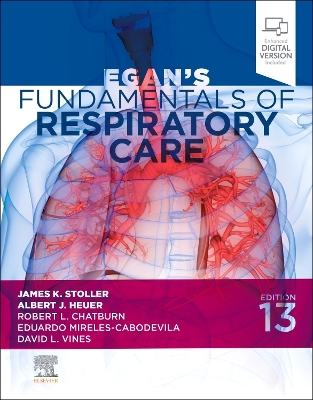
Egan's Fundamentals of Respiratory Care
 -10%
portes grátis
-10%
portes grátis
Egan's Fundamentals of Respiratory Care
Chatburn, Robert L.; Heuer, Albert J.; Vines, David L.; Stoller, James K.; Mireles-Cabodevila, Eduardo
Elsevier - Health Sciences Division
03/2024
1416
Mole
Inglês
9780323931991
15 a 20 dias
Descrição não disponível.
SECTION I Foundations of Respiratory Care
1. Early History of Respiratory Care
2. The Profession of Respiratory Care
3. Quality, Patient Safety, and Communication
4. Principles of Infection Prevention and Control
5. Ethical and Legal Implications of Practice
6. Physical Principles of Respiratory Care
7. E-Medicine in Respiratory Care
8. Fundamentals of Respiratory Care Research
SECTION II Applied Anatomy and Physiology
9. The Respiratory System
10. The Cardiovascular System
11. Ventilation
12. Gas Exchange and Transport,
13. Solutions, Body Fluids, and Electrolytes
14. Acid-Base Balance
15. Regulation of Breathing
SECTION III Assessment of Respiratory Disorders
16. Bedside Assessment of the Patient
17. Interpreting Clinical and Laboratory Data
18. Interpreting the Electrocardiogram
19. Analysis and Monitoring of Gas Exchange
20. Pulmonary Function Testing
21. Review of Thoracic Imaging
22. Flexible Bronchoscopy and the Respiratory Therapist
23. Nutrition Assessment
SECTION IV Review of Cardiopulmonary Disease
24. Pneumonia
25. Obstructive Lung Disease: Chronic Obstructive Pulmonary Disease (COPD), Asthma, and Related Diseases
26. Interstitial Lung Disease
27. Pleural Diseases
28. Pulmonary Vascular Disease
29. Acute Respiratory Distress Syndrome
30. Respiratory Management of Trauma, Obesity, Near Drowning, and Burns
31. Acute Heart Failure
32. Lung Cancer
33. Neuromuscular and Other Diseases of the Chest Wall
34. Disorders of Sleep
35. Neonatal and Pediatric Respiratory Disorders
SECTION V Basic Therapeutics
36. Airway Pharmacology
37. Airway Management
38. Emergency Cardiovascular Life Support
39. Humidity and Bland Aerosol Therapy
40. Aerosol Drug Therapy
41. Storage and Delivery of Medical Gases
42. Medical Gas Therapy
43. Lung Expansion Therapy
44. Airway Clearance Therapy
SECTION VI Acute and Critical Care
45. Respiratory Failure and the Need for Ventilatory Support
46. Mechanical Ventilators
47. Physiology of Ventilatory Support
48. PatienteVentilator Interactions
49. Initiating and Adjusting Invasive Ventilatory Support
50. Noninvasive Ventilation
51. Extracorporeal Life Support
52. Monitoring the Patient in the Intensive Care Unit
53. Discontinuing Ventilatory Support
54. Neonatal and Pediatric Respiratory Care
SECTION VII Patient Education and Long-Term Care
55. Health Promotion Through Patient Education
56. Cardiopulmonary Rehabilitation
57. Respiratory Care in Alternative Settings
58. Ethics and the End of Life
1. Early History of Respiratory Care
2. The Profession of Respiratory Care
3. Quality, Patient Safety, and Communication
4. Principles of Infection Prevention and Control
5. Ethical and Legal Implications of Practice
6. Physical Principles of Respiratory Care
7. E-Medicine in Respiratory Care
8. Fundamentals of Respiratory Care Research
SECTION II Applied Anatomy and Physiology
9. The Respiratory System
10. The Cardiovascular System
11. Ventilation
12. Gas Exchange and Transport,
13. Solutions, Body Fluids, and Electrolytes
14. Acid-Base Balance
15. Regulation of Breathing
SECTION III Assessment of Respiratory Disorders
16. Bedside Assessment of the Patient
17. Interpreting Clinical and Laboratory Data
18. Interpreting the Electrocardiogram
19. Analysis and Monitoring of Gas Exchange
20. Pulmonary Function Testing
21. Review of Thoracic Imaging
22. Flexible Bronchoscopy and the Respiratory Therapist
23. Nutrition Assessment
SECTION IV Review of Cardiopulmonary Disease
24. Pneumonia
25. Obstructive Lung Disease: Chronic Obstructive Pulmonary Disease (COPD), Asthma, and Related Diseases
26. Interstitial Lung Disease
27. Pleural Diseases
28. Pulmonary Vascular Disease
29. Acute Respiratory Distress Syndrome
30. Respiratory Management of Trauma, Obesity, Near Drowning, and Burns
31. Acute Heart Failure
32. Lung Cancer
33. Neuromuscular and Other Diseases of the Chest Wall
34. Disorders of Sleep
35. Neonatal and Pediatric Respiratory Disorders
SECTION V Basic Therapeutics
36. Airway Pharmacology
37. Airway Management
38. Emergency Cardiovascular Life Support
39. Humidity and Bland Aerosol Therapy
40. Aerosol Drug Therapy
41. Storage and Delivery of Medical Gases
42. Medical Gas Therapy
43. Lung Expansion Therapy
44. Airway Clearance Therapy
SECTION VI Acute and Critical Care
45. Respiratory Failure and the Need for Ventilatory Support
46. Mechanical Ventilators
47. Physiology of Ventilatory Support
48. PatienteVentilator Interactions
49. Initiating and Adjusting Invasive Ventilatory Support
50. Noninvasive Ventilation
51. Extracorporeal Life Support
52. Monitoring the Patient in the Intensive Care Unit
53. Discontinuing Ventilatory Support
54. Neonatal and Pediatric Respiratory Care
SECTION VII Patient Education and Long-Term Care
55. Health Promotion Through Patient Education
56. Cardiopulmonary Rehabilitation
57. Respiratory Care in Alternative Settings
58. Ethics and the End of Life
Este título pertence ao(s) assunto(s) indicados(s). Para ver outros títulos clique no assunto desejado.
Respiratory therapy fundamentals text; Egan's; clinical applications of respiratory therapy; respiratory therapist protocols; Kacmarek; Stoller; Heuer; Vines; Chatburn; Mireles-Cabodevila
SECTION I Foundations of Respiratory Care
1. Early History of Respiratory Care
2. The Profession of Respiratory Care
3. Quality, Patient Safety, and Communication
4. Principles of Infection Prevention and Control
5. Ethical and Legal Implications of Practice
6. Physical Principles of Respiratory Care
7. E-Medicine in Respiratory Care
8. Fundamentals of Respiratory Care Research
SECTION II Applied Anatomy and Physiology
9. The Respiratory System
10. The Cardiovascular System
11. Ventilation
12. Gas Exchange and Transport,
13. Solutions, Body Fluids, and Electrolytes
14. Acid-Base Balance
15. Regulation of Breathing
SECTION III Assessment of Respiratory Disorders
16. Bedside Assessment of the Patient
17. Interpreting Clinical and Laboratory Data
18. Interpreting the Electrocardiogram
19. Analysis and Monitoring of Gas Exchange
20. Pulmonary Function Testing
21. Review of Thoracic Imaging
22. Flexible Bronchoscopy and the Respiratory Therapist
23. Nutrition Assessment
SECTION IV Review of Cardiopulmonary Disease
24. Pneumonia
25. Obstructive Lung Disease: Chronic Obstructive Pulmonary Disease (COPD), Asthma, and Related Diseases
26. Interstitial Lung Disease
27. Pleural Diseases
28. Pulmonary Vascular Disease
29. Acute Respiratory Distress Syndrome
30. Respiratory Management of Trauma, Obesity, Near Drowning, and Burns
31. Acute Heart Failure
32. Lung Cancer
33. Neuromuscular and Other Diseases of the Chest Wall
34. Disorders of Sleep
35. Neonatal and Pediatric Respiratory Disorders
SECTION V Basic Therapeutics
36. Airway Pharmacology
37. Airway Management
38. Emergency Cardiovascular Life Support
39. Humidity and Bland Aerosol Therapy
40. Aerosol Drug Therapy
41. Storage and Delivery of Medical Gases
42. Medical Gas Therapy
43. Lung Expansion Therapy
44. Airway Clearance Therapy
SECTION VI Acute and Critical Care
45. Respiratory Failure and the Need for Ventilatory Support
46. Mechanical Ventilators
47. Physiology of Ventilatory Support
48. PatienteVentilator Interactions
49. Initiating and Adjusting Invasive Ventilatory Support
50. Noninvasive Ventilation
51. Extracorporeal Life Support
52. Monitoring the Patient in the Intensive Care Unit
53. Discontinuing Ventilatory Support
54. Neonatal and Pediatric Respiratory Care
SECTION VII Patient Education and Long-Term Care
55. Health Promotion Through Patient Education
56. Cardiopulmonary Rehabilitation
57. Respiratory Care in Alternative Settings
58. Ethics and the End of Life
1. Early History of Respiratory Care
2. The Profession of Respiratory Care
3. Quality, Patient Safety, and Communication
4. Principles of Infection Prevention and Control
5. Ethical and Legal Implications of Practice
6. Physical Principles of Respiratory Care
7. E-Medicine in Respiratory Care
8. Fundamentals of Respiratory Care Research
SECTION II Applied Anatomy and Physiology
9. The Respiratory System
10. The Cardiovascular System
11. Ventilation
12. Gas Exchange and Transport,
13. Solutions, Body Fluids, and Electrolytes
14. Acid-Base Balance
15. Regulation of Breathing
SECTION III Assessment of Respiratory Disorders
16. Bedside Assessment of the Patient
17. Interpreting Clinical and Laboratory Data
18. Interpreting the Electrocardiogram
19. Analysis and Monitoring of Gas Exchange
20. Pulmonary Function Testing
21. Review of Thoracic Imaging
22. Flexible Bronchoscopy and the Respiratory Therapist
23. Nutrition Assessment
SECTION IV Review of Cardiopulmonary Disease
24. Pneumonia
25. Obstructive Lung Disease: Chronic Obstructive Pulmonary Disease (COPD), Asthma, and Related Diseases
26. Interstitial Lung Disease
27. Pleural Diseases
28. Pulmonary Vascular Disease
29. Acute Respiratory Distress Syndrome
30. Respiratory Management of Trauma, Obesity, Near Drowning, and Burns
31. Acute Heart Failure
32. Lung Cancer
33. Neuromuscular and Other Diseases of the Chest Wall
34. Disorders of Sleep
35. Neonatal and Pediatric Respiratory Disorders
SECTION V Basic Therapeutics
36. Airway Pharmacology
37. Airway Management
38. Emergency Cardiovascular Life Support
39. Humidity and Bland Aerosol Therapy
40. Aerosol Drug Therapy
41. Storage and Delivery of Medical Gases
42. Medical Gas Therapy
43. Lung Expansion Therapy
44. Airway Clearance Therapy
SECTION VI Acute and Critical Care
45. Respiratory Failure and the Need for Ventilatory Support
46. Mechanical Ventilators
47. Physiology of Ventilatory Support
48. PatienteVentilator Interactions
49. Initiating and Adjusting Invasive Ventilatory Support
50. Noninvasive Ventilation
51. Extracorporeal Life Support
52. Monitoring the Patient in the Intensive Care Unit
53. Discontinuing Ventilatory Support
54. Neonatal and Pediatric Respiratory Care
SECTION VII Patient Education and Long-Term Care
55. Health Promotion Through Patient Education
56. Cardiopulmonary Rehabilitation
57. Respiratory Care in Alternative Settings
58. Ethics and the End of Life
Este título pertence ao(s) assunto(s) indicados(s). Para ver outros títulos clique no assunto desejado.