Management and Leadership in the Clinical Laboratory
 -10%
portes grátis
-10%
portes grátis
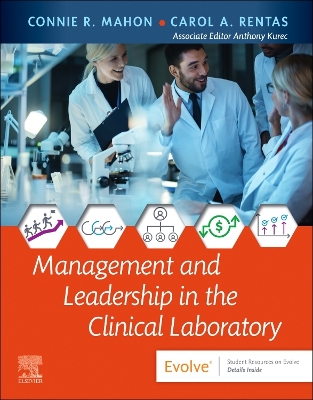
Management and Leadership in the Clinical Laboratory
Rentas, Carol A.; Mahon, Connie R.
Elsevier - Health Sciences Division
10/2025
512
Mole
9780323936125
Pré-lançamento - envio 15 a 20 dias após a sua edição
Descrição não disponível.
Section I: Introduction to Laboratory Management and Leadership Principles
1. The Changing Nature of Medical Laboratory Management
2. Essential Concepts of Strategic Management
3. Leadership Foundations for Managing Effectively
4. Leading Change in High Impact Organization
Section II: Planning: How to Get There from Here
5. Organizational Culture and High-performance
6. Strategic Planning and Goal Setting
7. Establishing Policies and Operational Procedures
8. Financial Planning and Budget Allocation
Section III: Organizing: Transforming Strategy into Actions
9. Organizational Design: Structure, Strategy, People
10. Workflow Process Design: Creating, Coordinating and Assigning Authority
11. Strategic Thinking, Decision Making, and Prioritization
Section IV: Staffing: Putting the Right Person in The Right Job
12. Workforce Management and Succession Planning
13. Continuous Learning and Development
14. Employee Engagement and Motivation
Section V: Leading: Setting the Compass-Staying the Course
15. Managing Self
16. Stress Management and Work-Life Balance
17. Time Management and Personal Accountability
18. Leading High-Performance Teams
Section VI: Controlling: Performance Measures, Regulation, And Compliance Management
19. Fundamentals of Quality Management
20. Healthcare Reimbursement
21. Government Regulations and Impact on Laboratory Operations
Section VII: Strategic Growth and Sustainability
22. Organizational Growth: Navigating to the Future
23. Public Relations, Communication and Marketing Strategies
24. Clinical Research and Innovation
1. The Changing Nature of Medical Laboratory Management
2. Essential Concepts of Strategic Management
3. Leadership Foundations for Managing Effectively
4. Leading Change in High Impact Organization
Section II: Planning: How to Get There from Here
5. Organizational Culture and High-performance
6. Strategic Planning and Goal Setting
7. Establishing Policies and Operational Procedures
8. Financial Planning and Budget Allocation
Section III: Organizing: Transforming Strategy into Actions
9. Organizational Design: Structure, Strategy, People
10. Workflow Process Design: Creating, Coordinating and Assigning Authority
11. Strategic Thinking, Decision Making, and Prioritization
Section IV: Staffing: Putting the Right Person in The Right Job
12. Workforce Management and Succession Planning
13. Continuous Learning and Development
14. Employee Engagement and Motivation
Section V: Leading: Setting the Compass-Staying the Course
15. Managing Self
16. Stress Management and Work-Life Balance
17. Time Management and Personal Accountability
18. Leading High-Performance Teams
Section VI: Controlling: Performance Measures, Regulation, And Compliance Management
19. Fundamentals of Quality Management
20. Healthcare Reimbursement
21. Government Regulations and Impact on Laboratory Operations
Section VII: Strategic Growth and Sustainability
22. Organizational Growth: Navigating to the Future
23. Public Relations, Communication and Marketing Strategies
24. Clinical Research and Innovation
Este título pertence ao(s) assunto(s) indicados(s). Para ver outros títulos clique no assunto desejado.
Management and Leadership in the Clinical Laboratory; Connie Mahon; Carol Rentas; clinical laboratory science; CLS; human resource; financial planning; multigenerational workforce; diversity and inclusion; strategic planning; organizational design; workflow process design; organizational structure; quality improvement; laboratory safety; succession planning
Section I: Introduction to Laboratory Management and Leadership Principles
1. The Changing Nature of Medical Laboratory Management
2. Essential Concepts of Strategic Management
3. Leadership Foundations for Managing Effectively
4. Leading Change in High Impact Organization
Section II: Planning: How to Get There from Here
5. Organizational Culture and High-performance
6. Strategic Planning and Goal Setting
7. Establishing Policies and Operational Procedures
8. Financial Planning and Budget Allocation
Section III: Organizing: Transforming Strategy into Actions
9. Organizational Design: Structure, Strategy, People
10. Workflow Process Design: Creating, Coordinating and Assigning Authority
11. Strategic Thinking, Decision Making, and Prioritization
Section IV: Staffing: Putting the Right Person in The Right Job
12. Workforce Management and Succession Planning
13. Continuous Learning and Development
14. Employee Engagement and Motivation
Section V: Leading: Setting the Compass-Staying the Course
15. Managing Self
16. Stress Management and Work-Life Balance
17. Time Management and Personal Accountability
18. Leading High-Performance Teams
Section VI: Controlling: Performance Measures, Regulation, And Compliance Management
19. Fundamentals of Quality Management
20. Healthcare Reimbursement
21. Government Regulations and Impact on Laboratory Operations
Section VII: Strategic Growth and Sustainability
22. Organizational Growth: Navigating to the Future
23. Public Relations, Communication and Marketing Strategies
24. Clinical Research and Innovation
1. The Changing Nature of Medical Laboratory Management
2. Essential Concepts of Strategic Management
3. Leadership Foundations for Managing Effectively
4. Leading Change in High Impact Organization
Section II: Planning: How to Get There from Here
5. Organizational Culture and High-performance
6. Strategic Planning and Goal Setting
7. Establishing Policies and Operational Procedures
8. Financial Planning and Budget Allocation
Section III: Organizing: Transforming Strategy into Actions
9. Organizational Design: Structure, Strategy, People
10. Workflow Process Design: Creating, Coordinating and Assigning Authority
11. Strategic Thinking, Decision Making, and Prioritization
Section IV: Staffing: Putting the Right Person in The Right Job
12. Workforce Management and Succession Planning
13. Continuous Learning and Development
14. Employee Engagement and Motivation
Section V: Leading: Setting the Compass-Staying the Course
15. Managing Self
16. Stress Management and Work-Life Balance
17. Time Management and Personal Accountability
18. Leading High-Performance Teams
Section VI: Controlling: Performance Measures, Regulation, And Compliance Management
19. Fundamentals of Quality Management
20. Healthcare Reimbursement
21. Government Regulations and Impact on Laboratory Operations
Section VII: Strategic Growth and Sustainability
22. Organizational Growth: Navigating to the Future
23. Public Relations, Communication and Marketing Strategies
24. Clinical Research and Innovation
Este título pertence ao(s) assunto(s) indicados(s). Para ver outros títulos clique no assunto desejado.
Management and Leadership in the Clinical Laboratory; Connie Mahon; Carol Rentas; clinical laboratory science; CLS; human resource; financial planning; multigenerational workforce; diversity and inclusion; strategic planning; organizational design; workflow process design; organizational structure; quality improvement; laboratory safety; succession planning